



When someone is dying, people want to come. That impulse is kind, and it can also overwhelm a patient with little energy and a family already running on fumes. Managing visitors is not about keeping people away. It is about shaping visits so they give the patient something instead of costing the patient something. Here is what works.
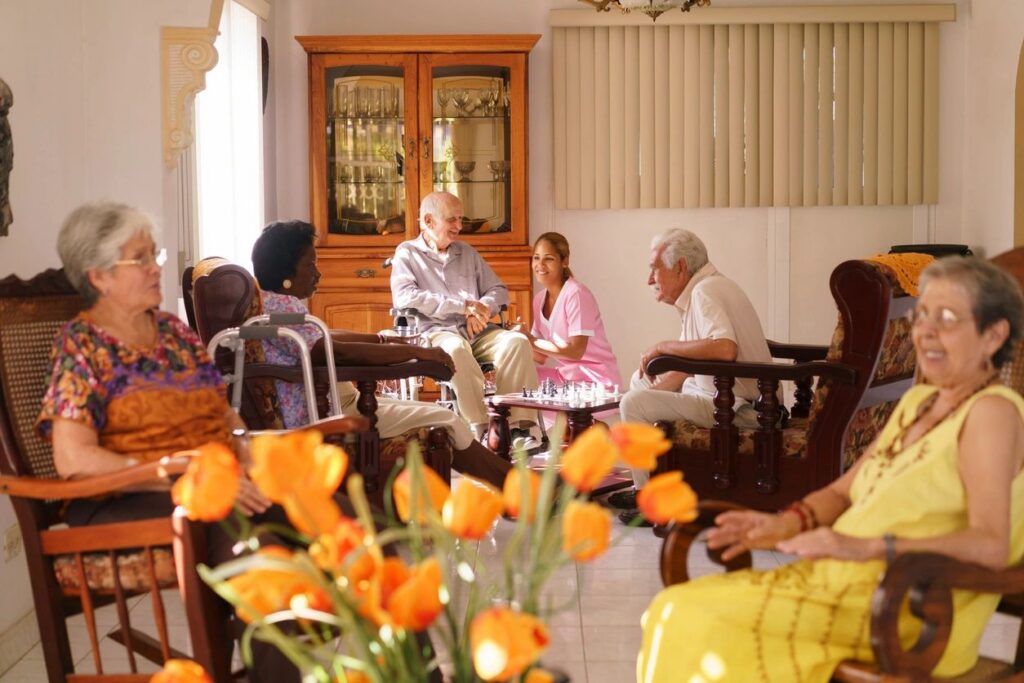
Start with the patient’s wishes
Ask the patient directly, while they can still say: who do you want to see, how many people at once, and for how long? Some patients want a full house. Others want three people, total, on rotation. The patient’s answer governs. The family’s job is to communicate it and hold the line kindly.
Plan, then publish the plan
Once the wishes are clear, work out the shape of a visiting day: how many visitors, at what times, leaving space for rest, meals, medications, and hospice visits. Tell people the plan in plain terms. A shared online calendar where visitors sign up for slots removes most of the negotiation, and it stops three groups arriving at once.
Be specific with visitors
Vague invitations create problems. Give visitors the actual instructions: arrive at this time, plan on about 45 minutes, park here, knock rather than ring, wash hands when you come in, skip the visit if you are sick. People are relieved to be told. Most awkward visits come from guests guessing wrong, not from guests who do not care.
Protect the inner circle’s access
Close family and the people the patient named first get priority, including longer and more frequent visits. Schedule other visitors around them. This is not rudeness; it is triage, and it prevents the common failure where the patient’s spouse spends the best visiting hour hosting acquaintances in the kitchen.
Use virtual visits for distance and bad days
Video calls and phone calls carry more weight than people expect, especially for relatives far away. They also solve the bad-day problem: when the patient is too tired for company, a five-minute call can stand in for a visit without anyone driving across town for nothing.
Guard the caregiver
The person managing all of this is usually also providing care, fielding calls, and sleeping badly. Build the visiting plan so it helps that person: visitors who bring food, sit with the patient so the caregiver can nap, and leave on time. If you are the caregiver, rest is not optional. Eat real meals. Take the breaks the plan creates.
Stay flexible
Patients change. Someone who wanted a crowd on Tuesday may want nobody on Thursday. Energy rises and falls, and an occasional unexpected visitor will be exactly the right thing. Treat the plan as a default, not a law, and adjust it as the patient changes.
Bring the hospice team in
If visitor traffic is causing stress, tell the hospice team. Nurses and social workers deal with this constantly. They can help reset expectations with extended family, time their own visits around the household’s rhythm, and back the family up when a boundary needs holding.
If you are managing visits for a loved one in hospice in the Las Vegas area and it is getting to be too much, call Siena Hospice at 702-389-2009 and talk it through with the team.