


Key Highlights
- Having oxygen levels at 70% is a critical medical condition known as severe hypoxemia.
- This dangerously low level can quickly lead to respiratory failure and damage to vital organs like your heart and brain.
- Key signs and symptoms include severe shortness of breath, confusion, and a bluish tint to the skin.
- Immediate medical intervention is essential to treat the underlying cause and provide supplemental oxygen.
- Your life expectancy with such low oxygen levels depends heavily on your age, overall health, and the specific condition causing the issue.
Seeing a reading of 70% for oxygen levels can be frightening. This number indicates that your body is not getting the oxygen it needs to function properly. This condition, called severe hypoxemia, can cause alarming symptoms like extreme shortness of breath and may lead to serious complications, including respiratory failure. Understanding what this number means, what causes it, and what to do about it is the first step toward getting the right help and managing your health.
Understanding Blood Oxygen Levels
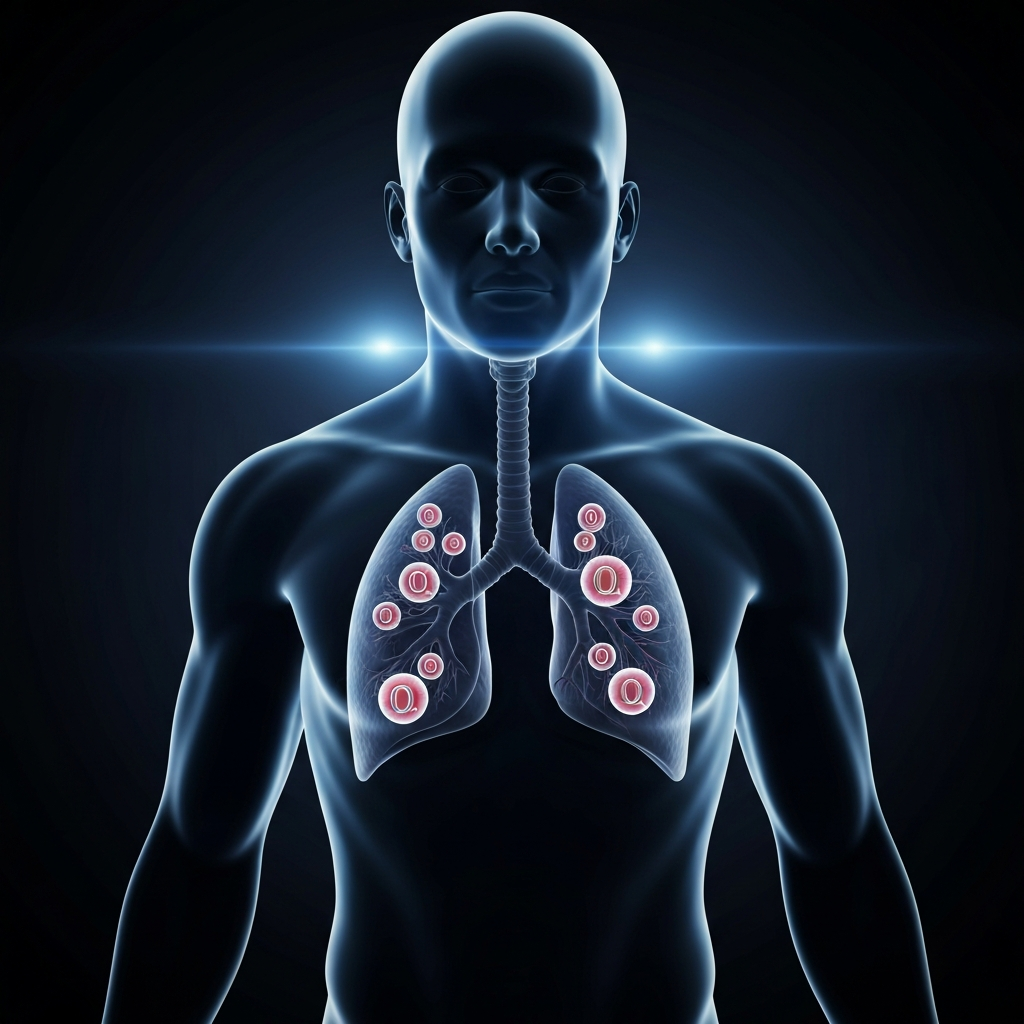
Your blood oxygen level is a measure of how much oxygen your red blood cells are carrying. This is often referred to as your oxygen saturation. Think of it as a percentage of how “full” of oxygen your blood is.
Having adequate oxygen levels is vital for your tissues and organs to work correctly. A simple and painless test called pulse oximetry is commonly used to measure this. Below, we’ll explore what a normal range looks like and how these measurements are taken.
What Is a Normal Oxygen Saturation Range?
A normal oxygen saturation for a healthy person typically falls between 95% and 100%. This range means your blood is carrying a sufficient amount of oxygen to meet your body’s needs. Your doctor can check this quickly during a routine visit using a pulse oximetry device.
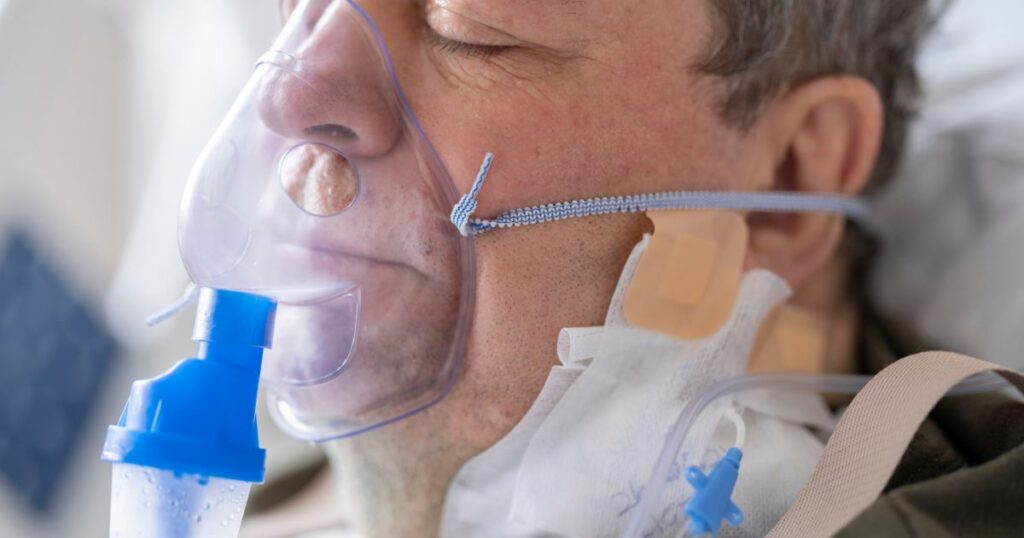
An oxygen level of 70% is considered dangerously low. It is a sign of severe hypoxemia, a condition where your blood oxygen is far below the normal range. This level indicates that your organs are not receiving enough oxygen to function, which can be life-threatening.
How long someone can survive at this level varies greatly. It depends on factors like your age, the underlying cause of the low oxygen, and your overall health. Without immediate medical treatment, an oxygen level of 70% can lead to severe organ damage and can be fatal.
How Are Oxygen Levels Measured?
Healthcare providers use a few different methods for oxygen saturation measurement. Each test gives them important information about the oxygen levels in your blood and how well your body is functioning.
The most common and noninvasive method is pulse oximetry. This involves a small clip-like device placed on your finger. Other tests provide more detailed information:
- Arterial Blood Gas (ABG) Test: A blood sample is taken from an artery, usually in your wrist, to directly measure oxygen and carbon dioxide levels.
- Six-Minute Walk Test: This test measures your oxygen levels while you walk to see how your body responds to physical exertion.
Yes, organs can be permanently damaged if your blood oxygen levels remain in the 70s. When your body’s tissues don’t get enough oxygen, a condition called hypoxia occurs. Prolonged hypoxia can cause lasting damage to your brain and heart.
What Does It Mean to Have Oxygen Levels at 70?

An oxygen saturation reading of 70% signals a critical health emergency. It means you have severely low levels of oxygen in your blood, putting your vital organs at immediate risk. This condition can interfere with brain and heart function.
This is a clear warning that your body is struggling to get the oxygen it needs to survive. Without prompt medical attention, this can quickly progress to respiratory failure and other life-threatening complications. Let’s look closer at the significance of this number and the risks involved.
The Significance of an SpO2 of 70%
An SpO2, or oxygen saturation, of 70% is a critical indicator of severe respiratory distress. This level is often associated with advanced stages of lung disease, such as end-stage COPD, or other serious medical events like pneumonia or a blood clot in the lung. It means your lungs are not able to transfer enough oxygen into your bloodstream.
When oxygen levels stay this low, the body cannot function correctly. Your heart, brain, and other organs are starved of the oxygen they need to work. This can lead to a rapid decline in your health, especially if it occurs during a flare-up of a chronic condition.
The speed at which a person’s health declines when their oxygen saturation remains around 70% can vary. It depends on the underlying cause and their overall physical condition. However, it is always a medical emergency that requires immediate treatment to prevent severe, irreversible damage or death.
Immediate Risks Associated with Low Oxygen Levels
Having low oxygen levels carries serious immediate risks that affect your entire body. The lack of oxygen forces your heart to work harder and can impair brain function, leading to confusion and disorientation. This state of severe discomfort is your body’s alarm bell.
The most urgent risks are related to organ function. Key signs of danger include:
- Severe shortness of breath, even while resting.
- A bluish color on your skin, lips, or fingernails (cyanosis).
- A rapid heart rate as your heart struggles to circulate oxygenated blood.
You should seek emergency medical help the moment you discover your oxygen levels are at 70%. This is not a situation to “wait and see.” A level of 70% is a life-threatening emergency. Call 911 or go to the nearest emergency room immediately, especially if you are experiencing symptoms like confusion or difficulty breathing.
Causes of Oxygen Levels Dropping to 70 in Adults
A dramatic drop in oxygen levels to 70% is usually caused by a serious underlying medical problem. Conditions affecting your respiratory or circulatory systems are often the culprits. Both lung disease and heart disease can severely limit your body’s ability to get and use oxygen.
These issues can prevent oxygen from entering your lungs or stop it from being transported effectively through your bloodstream. Next, we will explore the common medical conditions and other factors that can lead to such a critical drop.
Common Medical Conditions That Lower Oxygen Saturation
Several medical conditions are the main causes of oxygen levels dropping to 70 in adults. These illnesses interfere with breathing or blood flow. The most common cause is an underlying lung disease that impairs your ability to get enough oxygen into your body.
Conditions like chronic obstructive pulmonary disease (COPD), severe asthma attacks, and pneumonia are frequent culprits. Heart problems, such as congestive heart failure, can also prevent your blood from being properly oxygenated.
Here are some of the main conditions that can lead to severely low oxygen levels:
| Medical Condition | How It Affects Oxygen Levels |
|---|---|
| Chronic Obstructive Pulmonary Disease (COPD) | Damages the lungs, making it very difficult to breathe. |
| Pneumonia | An infection that inflames the air sacs, filling them with fluid. |
| Congestive Heart Failure | The heart cannot pump blood effectively to the lungs for oxygenation. |
| Asthma | Severe attacks can narrow the airways, blocking airflow. |
| Pulmonary Embolism | A blood clot in the lung blocks blood flow, preventing oxygen uptake. |
Environmental and Lifestyle Factors Affecting Oxygen Levels
Beyond medical conditions, certain environmental factors and lifestyle choices can also affect the amount of oxygen in your blood. These factors can either cause a sudden drop or contribute to chronically low oxygen levels over time.
For example, being at a high altitude is a major environmental factor. The air at high elevations contains less oxygen, making it harder for your body to get what it needs. Other factors include:
- Smoking: This damages your lungs and reduces their ability to function.
- Certain Medications: Some drugs can slow your breathing rate, leading to lower oxygen intake.
Yes, it is possible for oxygen levels at 70 to improve with treatment or medical intervention. Immediate treatment with supplemental oxygen can raise your levels quickly. Addressing the underlying cause, whether it’s through medication for a lung condition or lifestyle changes like quitting smoking, can lead to long-term improvement and better stability.
Signs and Symptoms of Very Low Oxygen Levels
When your oxygen levels drop to a critical point, your body will send out clear warning signals. These signs and symptoms are your body’s way of telling you that something is seriously wrong and it needs more oxygen immediately.
Recognizing these indicators is crucial, especially if you live with a chronic lung disease. The symptoms can be both physical and mental, and they tend to get worse if left untreated. Let’s look at what you might notice and how these symptoms can progress.
Physical and Cognitive Symptoms You May Notice
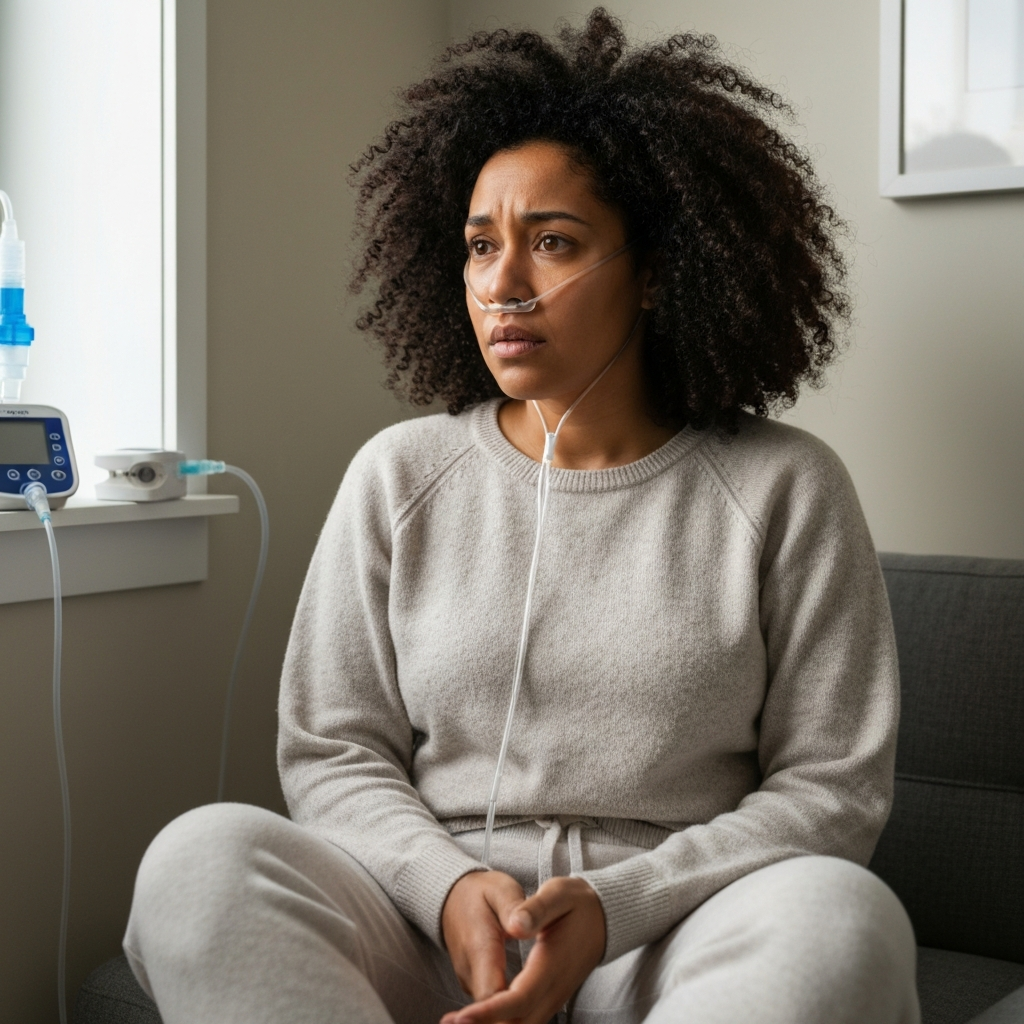
If your oxygen levels stay at 70, you may experience a range of alarming physical and cognitive symptoms. Your body is struggling, and these signs reflect the strain on your organs. One of the first and most noticeable symptoms is severe shortness of breath, which can cause significant discomfort.
Along with breathing difficulties, you might notice other physical signs. Your heart may beat very fast as it tries to compensate for the lack of oxygen. The most common symptoms include:
- Extreme shortness of breath (dyspnea)
- Confusion or restlessness
- A bluish tint to the skin, lips, and fingernails (cyanosis)
- Coughing or wheezing
Cognitive changes are also common. The lack of oxygen to the brain can cause confusion, difficulty concentrating, and even delirium. This mental fog is a serious indicator that your brain is not getting the resources it needs to function.
How Symptoms Progress as Oxygen Levels Stay Low
If low oxygen levels are not corrected, the symptoms will likely worsen. What might start as shortness of breath with activity can progress to breathlessness even when you are resting. This is a sign that your body is moving toward a state of chronic respiratory failure.
The progression of symptoms can be gradual or sudden, depending on the cause. For chronic conditions like COPD, you may notice that flare-ups become more frequent and severe. Simple daily tasks like getting dressed or cooking may become exhausting. This steady decline significantly impacts your quality of life.
Using supplemental oxygen can absolutely help manage this progression and may increase life expectancy. By providing your body with the oxygen it needs, you reduce the strain on your heart and other organs. This treatment helps stabilize your condition, manage symptoms, and improve your overall prognosis.
Effects of Prolonged Low Oxygen on Organs and Life Expectancy
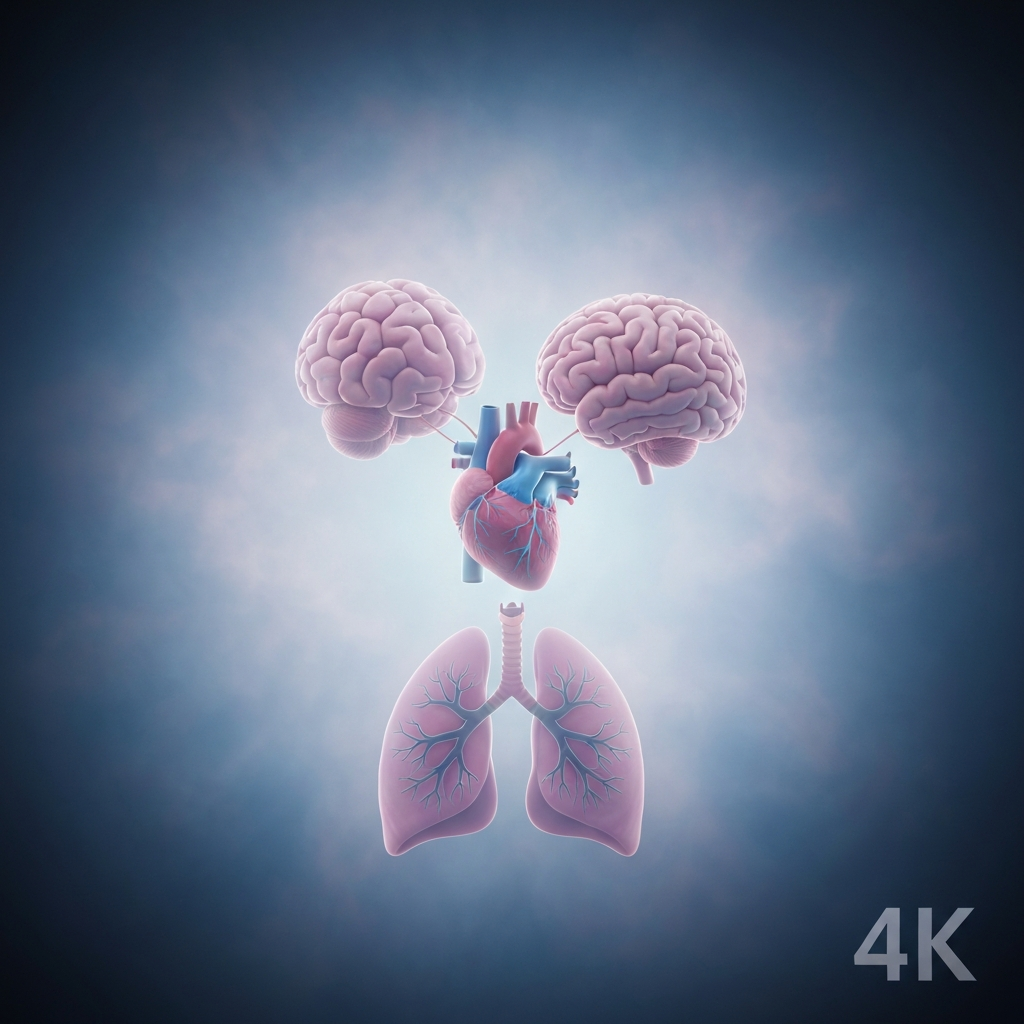
Living with prolonged low levels of oxygen takes a heavy toll on your body. When your organs are consistently deprived of the oxygen they need, damage can occur. This damage can affect your overall prognosis and, ultimately, your life expectancy.
The heart and brain are particularly vulnerable to the effects of low oxygen. Understanding how this condition impacts your major organs is important for managing your health and making informed decisions about your care. Below, we’ll discuss the short- and long-term impacts.
Short-Term and Long-Term Impact on Major Organs
Yes, permanent organ damage is a very real risk if blood oxygen levels remain in the 70s for too long. In the short term, low oxygen can cause confusion and a rapid heartbeat. However, the long-term consequences are much more severe.
Prolonged low oxygen can lead to lasting damage, especially to the most energy-demanding organs. This constant strain can worsen existing conditions like heart disease or create new problems. The main organs at risk include:
- Brain: Lack of oxygen can lead to cognitive impairment and long-term neurological issues.
- Heart: The heart must work harder, which can lead to heart failure or other cardiac problems.
- Lungs: If caused by a progressive lung disease, the underlying condition will continue to worsen.
This is why immediate treatment for low oxygen is so critical. Restoring oxygen levels helps prevent or minimize this permanent organ damage, protecting your long-term health and function.
Differences in Survival Times Based on Age and Underlying Health
Survival times for someone with oxygen levels at 70 vary significantly from person to person. There is no single answer, as the outcome depends on a combination of factors. Your age, your overall health, and the specific underlying health condition causing the low oxygen are all critical.
Yes, there are differences in survival time between younger and older patients. A younger person with a reversible condition may have a better outcome than an older person with a chronic, progressive lung disease like end-stage COPD. The body’s ability to recover and respond to treatment plays a big role.
These factors heavily influence the prognosis:
| Factor | Impact on Survival |
|---|---|
| Age | Younger individuals often have more resilience and may respond better to treatment. |
| Underlying Health | The severity of the primary disease (e.g., COPD, heart failure) is a major determinant. |
| Cause of Low Oxygen | A reversible cause like an infection has a better outlook than a chronic illness. |
| Smoking Status | Continuing to smoke significantly worsens the prognosis and reduces survival time. |
Medical Interventions for Oxygen Levels at 70
When oxygen saturation drops to 70%, immediate medical interventions are necessary to restore balance and protect your body. The main goal of treatment is to quickly raise your blood oxygen level and address whatever is causing it to be so low.
These treatments can range from emergency care in a hospital to long-term management at home. Supplemental oxygen is a cornerstone of therapy, but other medical approaches may be used depending on your specific situation. Let’s explore the treatments you can expect.
Emergency Treatments and When to Seek Help
You should seek help the instant you know your oxygen levels are at 70%. This is a true medical emergency that requires immediate attention from healthcare professionals. Waiting can lead to irreversible organ damage or respiratory failure.
In a hospital setting, emergency treatment will focus on rapidly increasing your oxygen levels. This is often done while doctors work to diagnose and treat the underlying cause. Common emergency interventions include:
- Supplemental Oxygen: Delivered through a nasal cannula, face mask, or other devices.
- Mechanical Ventilation: In severe cases of respiratory failure, a machine may be used to breathe for you.
- Medications: Drugs may be given to treat infections, reduce inflammation, or improve heart function.
Remember, do not hesitate to call 911 or go to the emergency room. Prompt medical care is your best defense against the serious complications of severely low oxygen.
Can Oxygen Therapy or Other Treatments Improve Outcomes?
Yes, oxygen therapy and other treatments can significantly improve outcomes for someone with oxygen levels at 70. Supplemental oxygen is a primary treatment that directly raises the amount of oxygen in your blood, easing the strain on your body and improving your immediate condition.
Beyond direct oxygen therapy, other treatments focus on the root cause of the problem. For example, if COPD is the cause, inhalers can help open the airways. If fluid in the lungs is the issue, diuretics can help remove it. These interventions are key to improving your long-term prognosis.
By combining supplemental oxygen with treatments for the underlying condition, it is absolutely possible for oxygen levels to improve. This comprehensive approach not only stabilizes your oxygen saturation but also enhances your quality of life and overall outlook.
Living with Chronic Low Oxygen Levels
Living with chronic low oxygen levels presents daily challenges, but it is possible to manage the condition and maintain a good quality of life. The focus shifts from emergency treatment to long-term strategies that help you breathe easier and stay active.
This journey often involves a team effort, including you, your doctors, and your caregiver. Creating a supportive environment is key to navigating the physical and emotional aspects of the condition. We’ll now discuss some coping strategies and end-of-life considerations.
Coping Strategies and Quality of Life Considerations
Managing chronic low oxygen involves adopting coping strategies that minimize discomfort and maximize your independence. Working with your healthcare team, including a caregiver, can help you create a plan tailored to your needs. This can greatly improve your quality of life.
Key strategies often include lifestyle adjustments and medical support. Some of the most effective approaches are:
- Breathing Techniques: Learning specific ways to breathe can help you control shortness of breath.
- Regular Exercise: Gentle physical activity, as approved by your doctor, can build strength.
- Nutritional Counseling: Eating well helps maintain your energy and strength.
Yes, for many people, using supplemental oxygen does increase life expectancy when levels are persistently low. By ensuring your body gets the oxygen it needs, this therapy reduces stress on your heart and other organs, which can slow disease progression and improve your long-term prognosis.
End-of-Life Signs When Oxygen Drops to Critical Levels
When a person with a terminal illness like end-stage lung disease or lung cancer nears the end of life, their body begins to shut down. Critically low oxygen levels are often a part of this process, and several signs may appear. Recognizing these signs can help you and your family prepare.
As the body weakens, you may notice significant changes. These can happen over days or weeks. Common end-of-life signs include:
- Changes in Breathing: Breathing may become irregular, with long pauses. You might hear a noisy gurgling sound, sometimes called a “death rattle,” which is caused by saliva collecting in the back of the throat.
- Increased Sleep and Reduced Awareness: The person may sleep more and become less responsive.
- Physical Weakness: They may lose the ability to swallow or move.
These signs indicate that the body is in its final stages. This is a time when comfort-focused care, often provided by a hospice team, becomes the primary goal, ensuring the person’s final days are as peaceful as possible.
Final Words
In summary, maintaining adequate oxygen levels is critical for overall health and longevity. When oxygen saturation drops to 70%, immediate medical intervention is vital to prevent severe consequences on organ function and quality of life. Recognizing symptoms, understanding potential causes, and being aware of the medical interventions available can empower individuals and their loved ones to take proactive measures. As we navigate this complex topic, sharing your insights with others can foster awareness and support around the importance of monitoring oxygen levels. So, if you found this information helpful, please share it on social media to spread the word!
Frequently Asked Questions (FAQ)
Can someone recover if their oxygen stays at 70 for extended periods?
Recovery depends on the underlying cause. If it’s a treatable issue like pneumonia, oxygen levels can return to normal with medical intervention. For a chronic lung disease, full recovery may not be possible, but treatment can manage the condition, improve oxygen levels, and better the prognosis.
Does using supplemental oxygen increase life expectancy?
Yes, for people with chronic lung disease or heart disease, using supplemental oxygen often increases life expectancy. It reduces the strain on the heart and other organs caused by low oxygen, preventing further damage from conditions like respiratory failure and improving overall health and survival.
What should you do if you or a loved one has an oxygen level of 70?
An oxygen level of 70 is a medical emergency. You or a caregiver should call 911 or go to the nearest emergency room immediately. Do not wait. This critical level indicates severe discomfort and lack of oxygen, requiring prompt medical intervention to prevent serious, life-threatening complications.