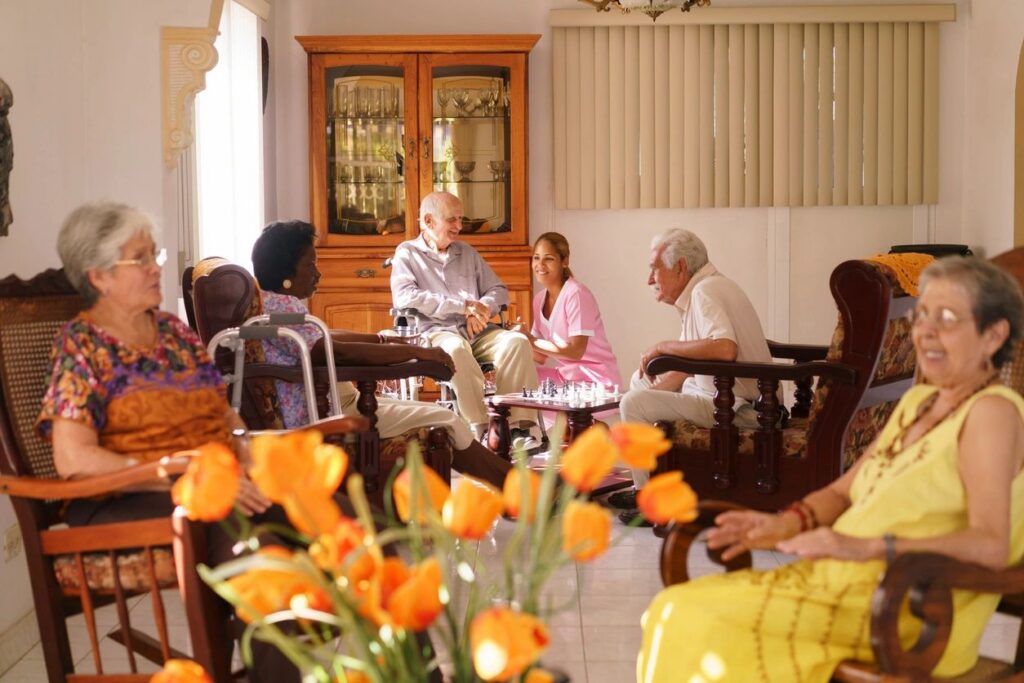


Home-Based Hospice Care: What to Expect
Home-based hospice care means the team comes to the patient. Care is provided in the patient’s own home, on a visiting schedule, with a phone line answered around the clock for everything that
Home-based hospice care means the team comes to the patient. Care is provided in the patient’s own home, on a visiting schedule, with a phone line answered around the clock for everything that
Physical comfort gets most of the attention in hospice, and it should. But the emotional side runs alongside it the whole way. Patients feel grief, fear, anger, boredom, and sometimes relief, often in
Embracing Emotional Wellness: Nurturing Your Mental Health During Hospice Care Read More »
Money worries keep some families from calling hospice at all, which is a shame, because hospice is one of the most fully covered services in American healthcare. This article explains who pays, what
People who have never been near death tend to imagine the end of life as uniformly bleak. The research tells a different story. Studies of hospice patients, including one published in the American
When someone is dying, people want to come. That impulse is kind, and it can also overwhelm a patient with little energy and a family already running on fumes. Managing visitors is not
Fear of death is usually fear of specifics: pain, being a burden, the unknown, the things left unsaid. Much of it rests on misconceptions. This article takes the common ones one at a
Common Misconceptions and Fears About Death and Dying Read More »
The move to hospice is rarely one decision. It is a stretch of days in which a family absorbs a prognosis, tells people, argues gently, cries, and slowly rearranges daily life around comfort
Making The Transition to Hospice Easier – Advice for Loved Ones Read More »
A terminal diagnosis removes the guesswork and replaces it with a different kind of hard: knowing what is coming without knowing exactly when. Families often say the fear eases once they understand what